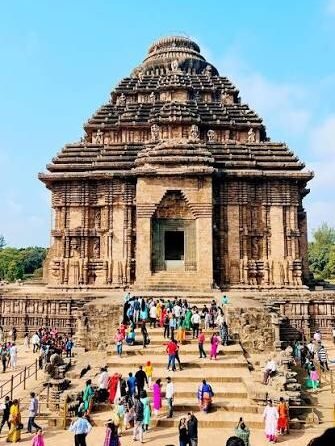
Nestled on the eastern coast of Odisha, the Konark Sun Temple stands as one of India’s greatest architectural achievements. Built in the 13th century, this magnificent monument is a symbol of artistic excellence, engineering brilliance, and cultural heritage. Dedicated to the Sun God, Surya, the temple continues to attract historians, architects, pilgrims, and tourists from around the world.
A Glimpse into History
The Konark Sun Temple was commissioned by King Narasimhadeva I of the Eastern Ganga Dynasty around 1250 CE. The temple was constructed to celebrate the king’s military victories and to honor Surya, the Hindu Sun God. Over the centuries, parts of the temple were damaged by natural disasters, weathering, and invasions, yet its grandeur remains unmatched.
Today, the temple is recognized as a UNESCO World Heritage Site and is considered one of the finest examples of ancient Indian temple architecture.
The Chariot of the Sun
The most striking feature of the Konark Sun Temple is its unique design. The entire temple is shaped like a colossal stone chariot carrying the Sun God across the sky. It is supported by 24 intricately carved wheels and drawn by seven majestic horses.
Each wheel measures about 3 meters (10 feet) in diameter and is decorated with detailed carvings depicting daily life, mythology, music, dance, and nature. These wheels are also believed to function as sundials, capable of indicating the time using the shadow cast by the sun.
The seven horses symbolize the seven days of the week, while the 24 wheels represent the 24 hours of a day, reflecting the temple’s deep connection with time and the movement of the sun.
Architectural Brilliance
The temple is an outstanding example of the Kalinga style of architecture, known for its elaborate carvings and majestic structures. Built primarily from khondalite stone, every inch of the temple is adorned with sculptures that showcase exceptional craftsmanship.
The walls feature depictions of:
- Hindu deities and mythological scenes
- Royal processions
- Musicians and dancers
- Animals and birds
- Floral and geometric patterns
- Everyday life during the 13th century
The remarkable precision of these carvings demonstrates the extraordinary skill of ancient Indian artisans.
Engineering Excellence
The Konark Sun Temple is not only an artistic masterpiece but also an engineering marvel. The builders carefully aligned the temple so that the first rays of the rising sun would illuminate the main sanctum. This reflects the advanced knowledge of astronomy and geometry possessed by the architects of that era.
Legends also mention that the temple once had a powerful magnetic structure at its summit, although there is no conclusive historical evidence to support this claim. Regardless, the temple’s sophisticated design continues to amaze researchers and visitors alike.
Cultural and Religious Importance
For centuries, the Konark Sun Temple has been an important center of worship and cultural expression. Although regular worship is no longer performed in the main shrine, the temple remains a sacred symbol of devotion to Surya.
Every year, thousands of visitors attend the Konark Dance Festival, where renowned classical dancers perform against the breathtaking backdrop of the temple. The event celebrates India’s rich traditions of music, dance, and art.
UNESCO World Heritage Status
In 1984, UNESCO designated the Konark Sun Temple as a World Heritage Site, recognizing its outstanding universal value. The temple is admired not only for its architectural beauty but also for its historical, cultural, and artistic significance.
Conservation efforts by the Archaeological Survey of India (ASI) continue to protect this priceless monument from environmental damage and the effects of time.
Why the Konark Sun Temple Still Inspires Us
The Konark Sun Temple is far more than a historic monument. It represents the creativity, scientific knowledge, and artistic vision of ancient India. Its magnificent carvings, symbolic architecture, and enduring legacy continue to inspire architects, historians, artists, and travelers across the globe.
Visiting the temple offers a journey into India’s glorious past, where every sculpture tells a story and every stone reflects centuries of craftsmanship.
Conclusion
The Konark Sun Temple stands as a timeless masterpiece of ancient Indian architecture. Its remarkable design, rich history, and profound cultural significance make it one of the most treasured monuments in the world. Even after more than 750 years, the temple remains a shining symbol of India’s architectural brilliance and artistic heritage, reminding us of the extraordinary achievements of our ancestors.