
Introduction
Water is one of the world’s most valuable natural resources, supporting agriculture, industries, ecosystems, and communities. However, increasing water demand, erratic rainfall, and climate change have made efficient water management a global priority. One of the most effective solutions for conserving and regulating water resources is the use of instream storage structures.
Instream storage structures are engineered systems built within or across rivers, streams, and natural watercourses to store, regulate, and distribute water. They help manage seasonal water availability, reduce flood risks, recharge groundwater, and ensure a reliable supply for irrigation, domestic use, and industrial activities.This article explores the benefits, types, design considerations, and practical applications of instream storage structures, highlighting their importance in sustainable water resource management.
What Are Instream Storage Structures?
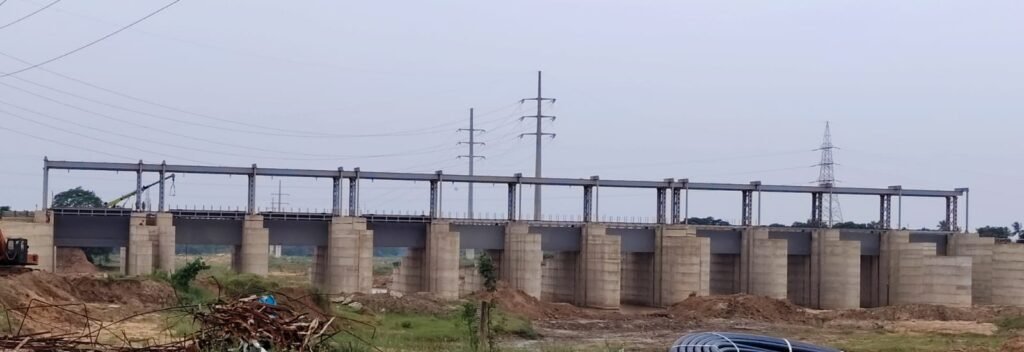
An instream storage structure is a hydraulic structure constructed directly within a river, stream, or natural drainage channel to temporarily or permanently store flowing water. Unlike off-stream reservoirs that divert water away from the river, instream structures retain water within the natural watercourse while allowing controlled flow downstream.
These structures are designed to balance water conservation with environmental sustainability by maintaining river flow, supporting aquatic ecosystems, and improving water availability during dry periods.
Importance of Instream Storage Structures
Water availability often fluctuates throughout the year due to seasonal rainfall patterns. During the monsoon, rivers may carry excess water, while during summer they may experience significantly reduced flow. Instream storage structures help bridge this gap by capturing surplus water and releasing it when needed.
Their importance includes:
- Conserving rainwater and surface runoff
- Reducing water scarcity during dry seasons
- Supporting agricultural irrigation
- Enhancing groundwater recharge
- Mitigating flood impacts
- Maintaining ecological flow in rivers
- Providing drinking water sources
- Supporting industrial and municipal water needs
Types of Instream Storage Structures
Several types of instream storage structures are used depending on river characteristics, terrain, and water demand.
1. Check Dams
Check dams are small barriers built across streams to slow water flow. They promote water infiltration into the ground, reduce soil erosion, and improve groundwater recharge.
Common Uses
- Rural water conservation
- Watershed management
- Agriculture
- Soil erosion control
2. Weirs
Weirs are low barriers constructed across rivers to raise upstream water levels without completely obstructing flow.
Benefits
- Water diversion for irrigation
- Flow measurement
- Groundwater recharge
- River regulation
3. Barrages
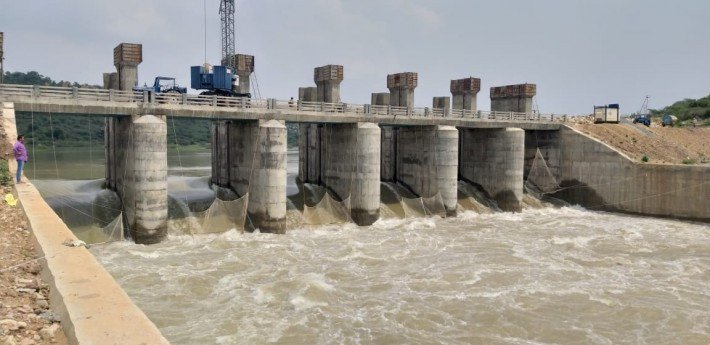
Barrages consist of gated structures that regulate river flow and water levels. Adjustable gates allow operators to control water storage and downstream discharge.
Applications
- Irrigation systems
- Flood management
- Navigation
- Municipal water supply
4. Small Reservoirs
Small reservoirs are created by constructing dams across streams or rivers to store seasonal runoff.
Advantages
- Long-term water storage
- Fisheries development
- Recreation
- Irrigation
5. Percolation Tanks
Percolation tanks store runoff and allow gradual infiltration into underground aquifers.
Primary Purpose
- Groundwater recharge
- Drinking water sustainability
- Improved well yields
6. Rubber Dams
Rubber dams use inflatable rubber membranes that can be raised or lowered depending on water requirements.
Advantages
- Flexible operation
- Lower construction costs
- Minimal environmental disturbance
Benefits of Instream Storage Structures
Improved Water Availability
Stored water can be used throughout the year, ensuring reliable supplies for irrigation, industries, and domestic consumption.
Groundwater Recharge
By slowing river flow, instream structures allow water to seep into underground aquifers, increasing groundwater levels and improving the sustainability of wells and boreholes.
Flood Control
These structures temporarily store excess runoff during heavy rainfall, reducing flood peaks and minimizing downstream damage.
Soil Conservation
Reduced water velocity prevents soil erosion, preserves fertile agricultural land, and decreases sediment transport.
Agricultural Development
Reliable irrigation water improves crop yields, enables multiple cropping seasons, and enhances farmers’ livelihoods.
Environmental Protection
Properly designed instream structures help maintain ecological flows, protect aquatic habitats, and support biodiversity.
Climate Change Adaptation
Water storage systems increase resilience to droughts, changing rainfall patterns, and prolonged dry spells caused by climate change.

Design Considerations
The success of an instream storage structure depends on careful planning and engineering.
Hydrological Assessment
Engineers analyze:
- Rainfall patterns
- River discharge
- Flood frequency
- Catchment characteristics
This information determines the required storage capacity and structural dimensions.
Site Selection
An ideal site should have:
- Stable geological conditions
- Adequate catchment area
- Minimal environmental impact
- Easy accessibility
- Suitable foundation material
Structural Design
Design considerations include:
- Water pressure
- Spillway capacity
- Sediment management
- Foundation stability
- Construction materials
- Expected lifespan
Environmental Assessment
Environmental studies evaluate:
- Fish migration
- Aquatic ecosystems
- Water quality
- Biodiversity
- Downstream ecological flow
Mitigation measures should be incorporated into the design whenever necessary.
Safety Measures
Engineers must ensure:
- Flood-resistant design
- Emergency spillways
- Regular maintenance access
- Structural monitoring systems
Applications of Instream Storage Structures
Agriculture
Water stored during rainy seasons supports irrigation throughout dry periods, increasing agricultural productivity and food security.
Urban Water Supply
Many cities depend on instream storage structures to maintain reliable water supplies for households and public services.
Industrial Water Use
Industries require consistent water availability for manufacturing, cooling systems, and processing operations.

Hydropower
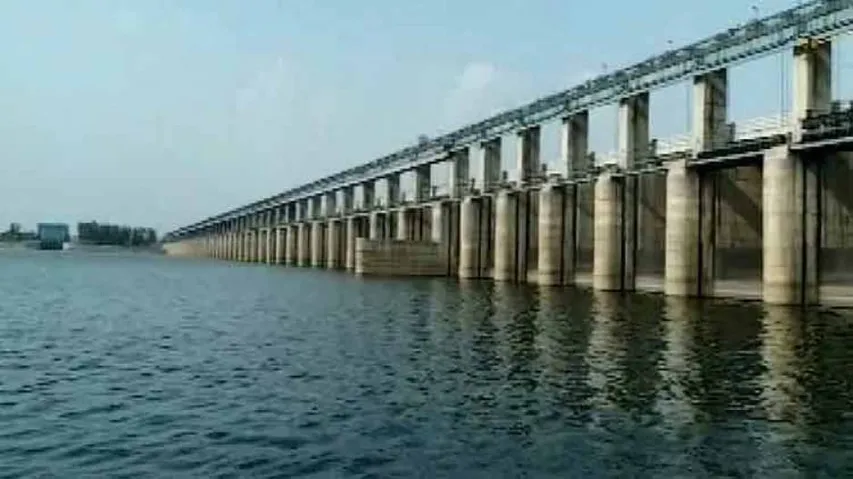
Certain instream storage structures regulate river flow for small and medium-scale hydroelectric power generation.
Fisheries
Reservoirs formed by instream structures create suitable habitats for fish farming and improve local livelihoods.
Recreation and Tourism
Many water storage structures become popular destinations for boating, birdwatching, fishing, and eco-tourism.
Challenges
Despite their numerous benefits, instream storage structures also face several challenges:
- Sedimentation reducing storage capacity
- Environmental impacts on aquatic ecosystems
- High construction costs for large structures
- Maintenance requirements
- Community displacement in some projects
- Balancing ecological and human water needs
Proper planning, stakeholder engagement, and sustainable management practices help address these challenges.
Best Practices for Sustainable Management
To maximize long-term benefits, authorities should:
- Conduct regular inspections
- Remove accumulated sediment periodically
- Monitor water quality
- Protect surrounding catchment areas
- Promote community participation
- Implement watershed conservation measures
- Ensure environmental flow requirements are maintained
Future of Instream Storage Structures
With growing concerns over water scarcity and climate variability, instream storage structures will play an increasingly important role in integrated water resource management. Advances in remote sensing, hydrological modeling, smart sensors, and automated gate control systems are improving the efficiency and safety of these structures. Future designs are expected to focus on balancing water storage with ecosystem protection, making instream infrastructure more resilient, adaptive, and environmentally friendly.
Conclusion
Instream storage structures are essential components of modern water resource management. By capturing and regulating river flows, they provide dependable water supplies for agriculture, industries, households, and ecosystems while reducing flood risks and supporting groundwater recharge. When carefully planned, designed, and maintained, these structures contribute significantly to sustainable development, climate resilience, and environmental conservation. As water demand continues to rise worldwide, investing in efficient and environmentally responsible instream storage systems will remain crucial for ensuring water security for future generations.